
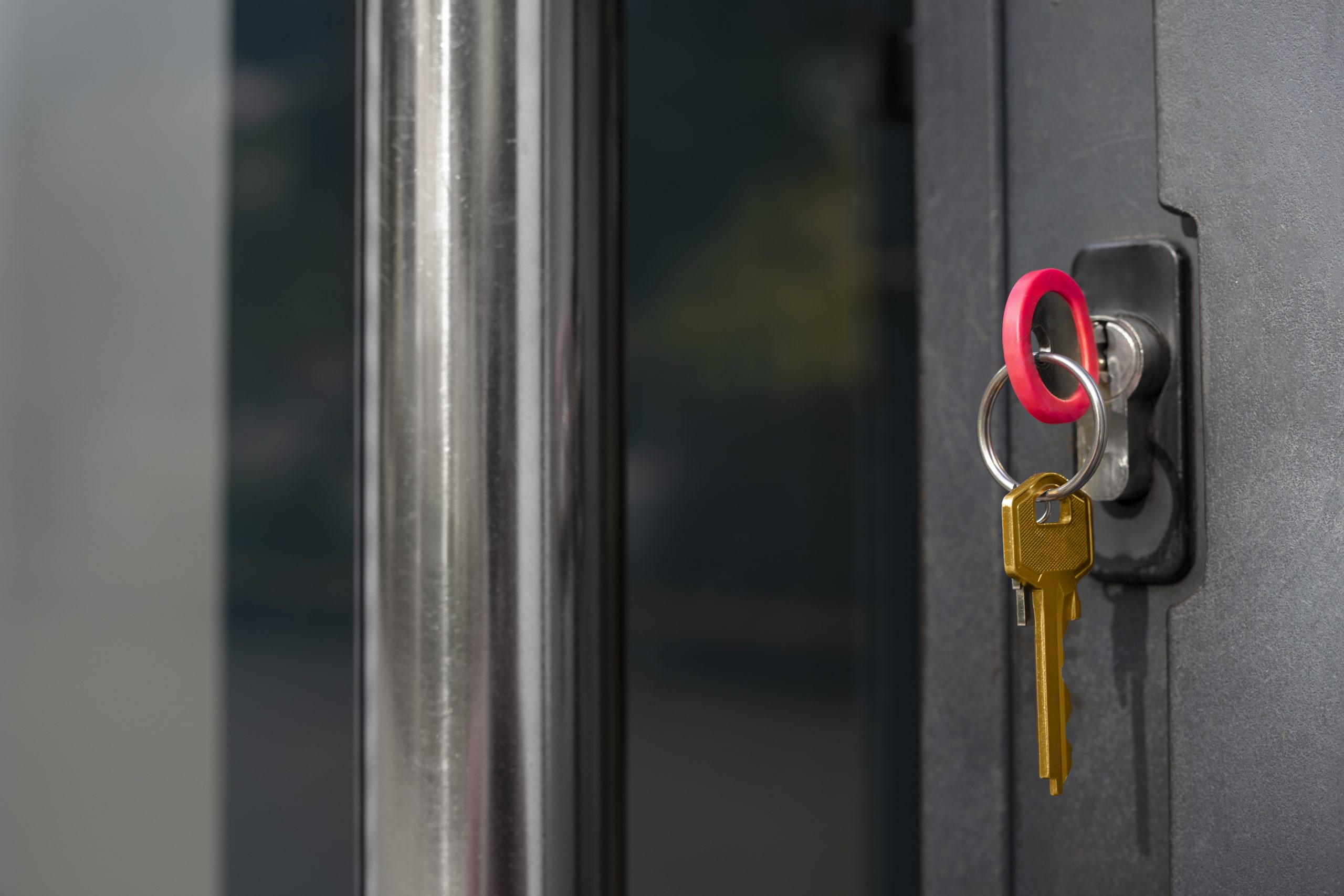
It happens at the worst possible time. You’re home after a long day, you go to lock the front door, and something isn’t right: the deadbolt won’t turn, the latch doesn’t catch, or the whole mechanism feels loose and unresponsive. Standing at an unsecured door at 10 pm is an unsettling experience, and it’s natural to wonder what to do next.
The good news is that a door that won’t lock is almost always a mechanical issue with a straightforward fix. Knowing what to safely check yourself, and knowing when to stop and call an after-hours locksmith in Melbourne, is the difference between a stressful night and a resolved one.
This guide walks you through the common causes of a failed door lock, a short list of checks you can make without tools or risk, and what to expect when our Melbourne emergency locksmith team arrives at your door.
Why a Door Fails to Lock at Night
Before anything else, it helps to understand what is actually going wrong. Door locks fail for a handful of well-understood reasons, most of which have nothing to do with the lock cylinder itself.
A Worn or Sticky Latch Mechanism
The spring latch, the small, angled bolt that clicks shut when you close the door, takes thousands of cycles over its lifespan. Over time, the spring weakens, the latch becomes sluggish, or the mechanism inside the knob or handle starts to seize. A worn latch often presents as a door that “closes” but doesn’t actually engage the frame. You push the door and it swings open again with no resistance.
Temperature can also play a role. On hot Melbourne days, metal components expand slightly. By the time you are home and the evening cools, the mechanism may be operating outside its normal tolerances.
A Misaligned Strike Plate
The strike plate is the metal fitting on the door frame that the latch or deadbolt slots into when the door is locked. If the door frame has shifted, through settling, humidity, or general wear, the latch or bolt may no longer line up with the hole in the strike plate. You can often see this if you watch the latch carefully as you close the door: it catches on the edge of the plate rather than dropping cleanly into the opening.
Strike plate misalignment is one of the most common causes of a door that feels like it “almost” locks but requires force or a hard pull to engage.
Deadbolt Problems
A deadbolt that turns stiffly, stops partway, or refuses to extend at all is often telling you one of three things: the cylinder needs lubrication, the bolt is binding against the strike plate, or there is internal damage to the mechanism. If you have had the lock for several years without servicing, stiffness is normal and usually easy to resolve. A bolt that worked this morning and now does nothing is a stronger signal that the mechanism itself has failed.
A Weather-Warped or Swollen Door Frame
Timber doors and frames are particularly susceptible to humidity and temperature changes, which is a reality across many Melbourne homes, especially in older houses in the inner north, Richmond, Prahran, and similar areas with period-era timber construction. A door that swells slightly in winter or during sustained wet weather may no longer sit in the frame correctly, putting pressure on the lock mechanism even before you try to turn the key.
If you can see daylight around the door edges or the door itself requires a shoulder-bump to close, a swollen frame is likely contributing to the problem.
Quick Checks You Can Safely Make Before Calling Us
There are a few simple, low-risk checks worth trying before you reach for the phone. These won’t fix a damaged lock, but they can confirm what the problem is, or occasionally resolve a minor issue on the spot.
Check the Door Alignment
Open the door fully and look at the gap between the door and the frame on all sides. A consistent, even gap suggests the door is properly aligned. A gap that narrows significantly at the top or bottom, or where the door has to be lifted or pushed to sit flush, tells you the frame or hinges may be causing the issue.
Try closing the door slowly and watching where the latch contacts the strike plate. If it’s visibly off-centre, alignment is your likely culprit.
Try the Lock From Inside and Outside
Sometimes a lock that feels stuck from one side operates normally from the other. Try turning the key (or thumb-turn) from both positions. If the lock works cleanly from inside but not outside, or vice versa, this narrows the problem to either the cylinder or the external handle/thumb-turn mechanism.
Check for Obstruction or Debris
Door locks on older homes,or doors with worn weatherstripping can sometimes accumulate grit, small stones, or debris around the strike plate opening. A torch and a quick visual check can rule this out in seconds.
Apply a Dry Lubricant if You Have One
A graphite-based dry lubricant, available from most hardware stores, can free a sluggish latch or stiff deadbolt cylinder. Do not use oil-based lubricants (WD-40 included) on lock cylinders, as they attract dust and can worsen the problem over time. If you happen to have a graphite pencil, rubbing it along the key before inserting is an old-fashioned but legitimate temporary fix.
Important: these checks are for observation and minor maintenance only. Do not attempt to disassemble the lock mechanism, force a bolt that is binding, or use tools inside the cylinder. Forcing a damaged lock often makes the repair more involved and the door harder to secure in the short term.
When to Stop and Call an After-Hours Locksmith Melbourne
There are situations where checking and waiting is the wrong move. If any of the following apply, stop and call us now on 0418 444 166.
The Door Will Not Secure in Any Position
If there is no way to put the door into a locked or even held-closed state, the latch has completely failed, the deadbolt won’t extend, and the door swings open freely, you need a locksmith, not a checklist. An unsecured entry door overnight is not a situation to sleep on.
The Key Turns But Nothing Moves
When the key rotates freely without resistance, the cylinder spins and nothing happens, the internal linkage between the cylinder and the bolt has broken. This is a mechanical failure that requires a technician to assess and replace. It cannot be resolved without disassembling the lock.
The Lock Mechanism Feels Loose or Rattling
A loose lock barrel, a handle that moves independent of the latch, or a deadbolt that shifts in the door are all signs of hardware that has worked loose or begun to fail. Loose lock components can deteriorate quickly and should be assessed by a licensed locksmith before they fail completely.
You Live Alone, or Have Children or Vulnerable Family Members in the Home
There is no situation where the correct decision is to go to sleep with an unsecured front door when you have others in the property depending on a secured entrance. Call us. We are available 24 hours a day, 7 days a week.
The Problem Appeared Suddenly and You Don’t Know Why
A lock that worked perfectly in the morning and is now non-functional without any obvious cause is worth treating with caution. While mechanical failure is by far the most common explanation, it is always better to have the door inspected and secured properly by a professional.
What Our Emergency Locksmith Melbourne Team Does on Arrival
When you call Nonstop Locksmiths, we dispatch a mobile locksmith to your location. Our team works across the Melbourne metropolitan area and surrounding suburbs. Call 0418 444 166 to confirm coverage in your area.
Initial Assessment
Our locksmith will assess the door, frame, and lock mechanism before touching anything. We want to understand what failed and why, which informs whether a repair or a replacement is the right call. You’ll know exactly what we find and what we recommend before any work begins.
Non-Destructive Entry Where Possible
If the door is in a locked or stuck-closed state and you cannot get it open, we use non-destructive entry techniques wherever the situation allows. Our goal is always to resolve the problem with the least disruption to your existing hardware.
Lock Repair or Replacement on the Spot
Our mobile workshop carries a range of lock hardware, cylinders, and components. In most cases, we can repair or replace the faulty mechanism the same visit. If the door frame is the underlying issue, we will advise on the most appropriate next steps, which may include recommending a carpenter for frame repair alongside the lock work.
Rekeying If Required
If the issue has involved a lost key, a key that broke in the cylinder, or a lock that has been compromised, we can rekey the lock on-site. Rekeying renders any previous key inoperable and is often the faster, more cost-effective option compared to full lock replacement.
How to Secure a Door Overnight While You Wait
If you have called us and are waiting for our locksmith to arrive, there are a few practical steps you can take to manage the situation calmly.
Stay Inside the Property
If the door is the only issue, you are inside and the door won’t lock, stay in. Do not leave the property unsecured while you wait.
Wedge or Barricade the Door
A door wedge, a chair placed under the door handle, or a heavy piece of furniture pushed against the door can provide a physical barrier while you wait. This is not a security solution, but it is a practical measure for the short term while a licensed locksmith is on the way.
Keep Your Phone Charged and Accessible
Make sure your phone has enough charge to receive a call from our team. Make sure your phone has enough charge so our locksmith can contact you if needed. If you haven’t given your address clearly, have it ready.
Keep the Door Closed
A failed lock is not the same as an open door. Keep the door as closed as it will sit, even if it is not latching. This maintains a physical barrier even without a functional lock.
What to Expect: Pricing, Identification, and Licensed Technicians
We understand that calling a locksmith at night, particularly for the first time, comes with questions. Here is what you should know before we arrive.
Transparent Pricing
We operate with affordable, transparent pricing and no call-out fee surprises. Before any work begins, we will explain what the job involves and what it will cost, so you know the scope before work starts.
Licensed and Insured Locksmiths
Our emergency locksmiths are licensed and insured professionals. Nonstop Locksmiths is a member of the Master Locksmiths Association of Australasia (MLAA) and the Locksmiths Guild of Australia.
What to Ask When We Arrive
You are well within your rights to ask for identification and to confirm the work scope before anything starts. A legitimate, professional locksmith, including every member of our team, expects and welcomes this. If you ever call a locksmith and they are unwilling to provide identification or a clear price before starting, that is a serious warning sign.
After-Hours Availability Across Melbourne
We are available 24 hours a day, 7 days a week, including weekends, public holidays, and the early hours of the morning. A night locksmith Melbourne call is handled with the same professionalism and quality of work as any daytime job. There is no reduced-service window. You can see all the suburbs and postcodes we cover on our service areas page.
Call Us Before the Night Gets Longer
A door that won’t lock is a mechanical problem with a mechanical solution. The checks in this guide can help you identify what is wrong, but if the door cannot be secured, or if you simply want a professional to assess it quickly, calling an emergency locksmith Melbourne is the right move.
We respond fast, we work across Melbourne every hour of every day, and we’ll be with you shortly.
Call Nonstop Locksmiths on 0418 444 166, available 24/7 including tonight.
Contact us to reach our team directly, or find out more about our full range of residential locksmith services across Melbourne.